Guide
One mic for
It is the most common gear question creators ask: can a single microphone really do all three? Short answer — one fixed mic is always a compromise. Here is what a true do-it-all mic needs, and the one design that gets there.
Why one fixed mic can't win every job
Podcasting, streaming and recording music ask opposite things of a microphone. Podcasting and voiceover reward a detailed, flattering sound and a quiet noise floor. Streaming usually happens in an untreated room next to a clicky keyboard, so it rewards a mic that ignores the room. Music — a sung vocal, an acoustic guitar — rewards openness and air at the top end.
No single fixed capsule is best at all three. The large-diaphragm condenser that makes a voiceover sound expensive will also faithfully record your fan, your keyboard and the street outside. The broadcast dynamic that makes a messy streaming room sound clean will also sand the life off a sung chorus. People end up owning two or three microphones not because they are gear hoarders, but because the jobs genuinely conflict.
What a real do-it-all mic actually needs
- More than one capsule character. A dynamic voice for loud, untreated rooms and streaming; a condenser voice for vocals, voiceover and instruments. This is the single biggest lever on how a mic sounds.
- A choice of output. USB-C when you want to plug straight into a laptop and start; XLR when you want to run into an interface or mixer. The same mic should do both.
- One stand, one mount. If "doing everything" means re-rigging the desk each time, it will not actually get used. The flexible part should be the capsule, not the whole setup.
- Build that lasts. A mic you keep for a decade beats three you half-use. Serviceable parts matter more than a spec sheet.
The setup that stops compromising: change the capsule, not the mic
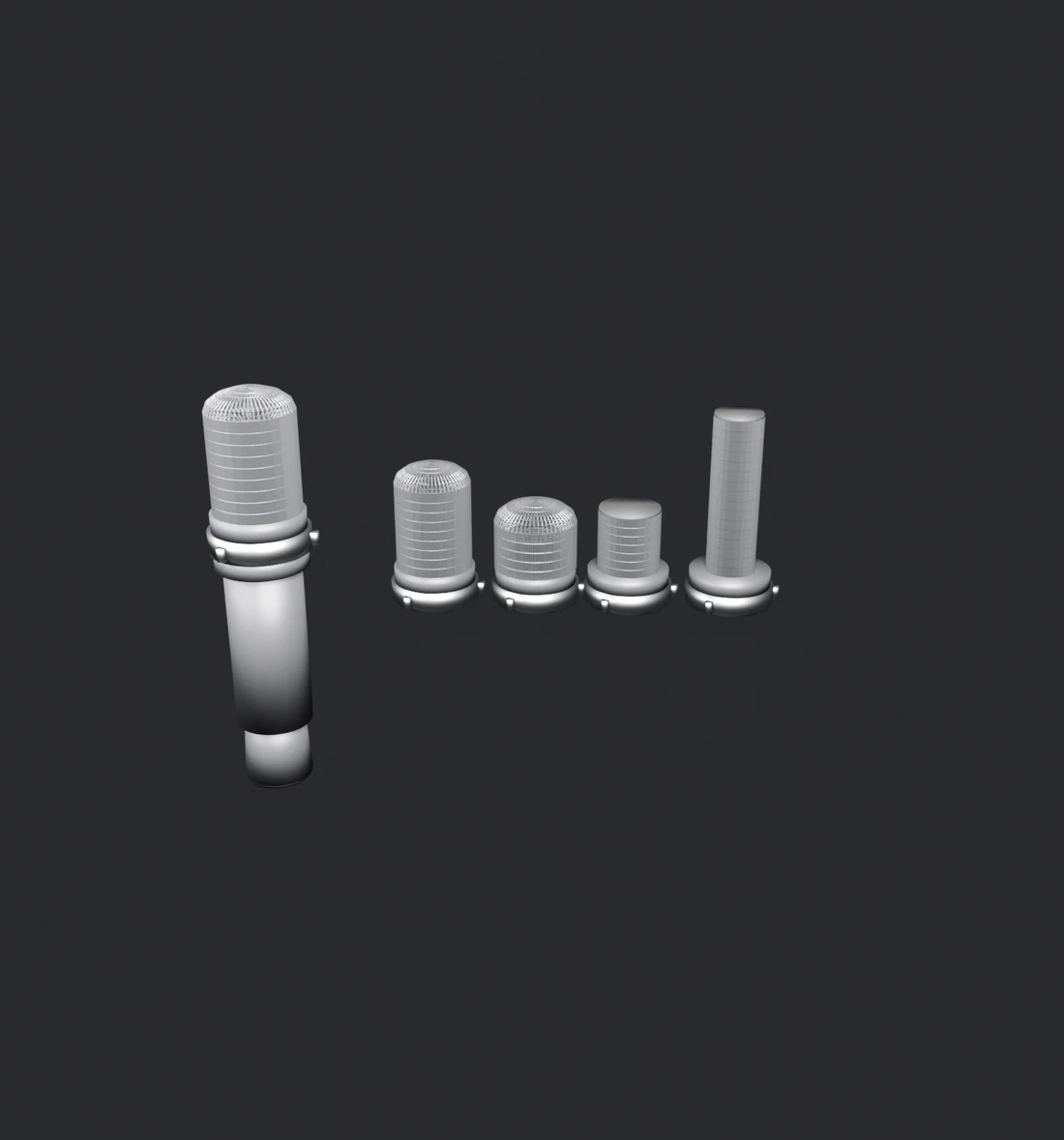
The Sound Method is a modular hot-swap microphone built for exactly this question. One machined body with a twist-lock collar; capsule modules — condenser, tube, dynamic, ribbon — that change in seconds; and a tail you can swap between XLR and USB-C. So the same mic is a clean streaming dynamic, a detailed vocal condenser, and a smooth instrument ribbon, from one stand. It is a concept today, built in small batches first. No price is locked and there is no charge to join — the waitlist just tells us whether people want one kit instead of three mics.
Join the waitlist →If you are buying today, what should you do?
Until a modular option is on the shelf, pick for your hardest job, not your average one. If most of your time is streaming or talking in an untreated room, start with a good dynamic and accept that sung vocals will be a little dark. If most of your time is vocals, voiceover or acoustic music in a reasonably quiet space, start with a condenser and treat the room. And when you record, choose the XLR or USB path that matches how you actually work. The one thing worth waiting for is a mic that lets you stop choosing at all.
Frequently asked
- Can one microphone be used for podcasting, streaming and music?
- Yes, but a fixed mic is always a compromise — the jobs ask opposite things. The way to cover all three well is to change the capsule for the task rather than buy separate mics.
- Dynamic or condenser for doing everything?
- Dynamics suit streaming and untreated rooms; condensers suit vocals, voiceover and instruments. A true do-it-all setup wants both characters — which is the argument for a swappable capsule.
- What about a USB mic — is that enough?
- USB is great for plug-and-play, but you are locked to that one capsule and that one output. The most flexible design keeps USB and XLR available and lets the capsule change too. See XLR vs USB.
- Can I buy The Sound Method mic now?
- Not yet — it is in development. Join the waitlist and you will hear the moment reservations open. No price is locked and nothing is charged to join.