Guide
What is a
Short answer: a mic whose capsule twists off, so one body can sound like four different microphones. Here is how that works, what already exists, and where it leaves the rest of us.
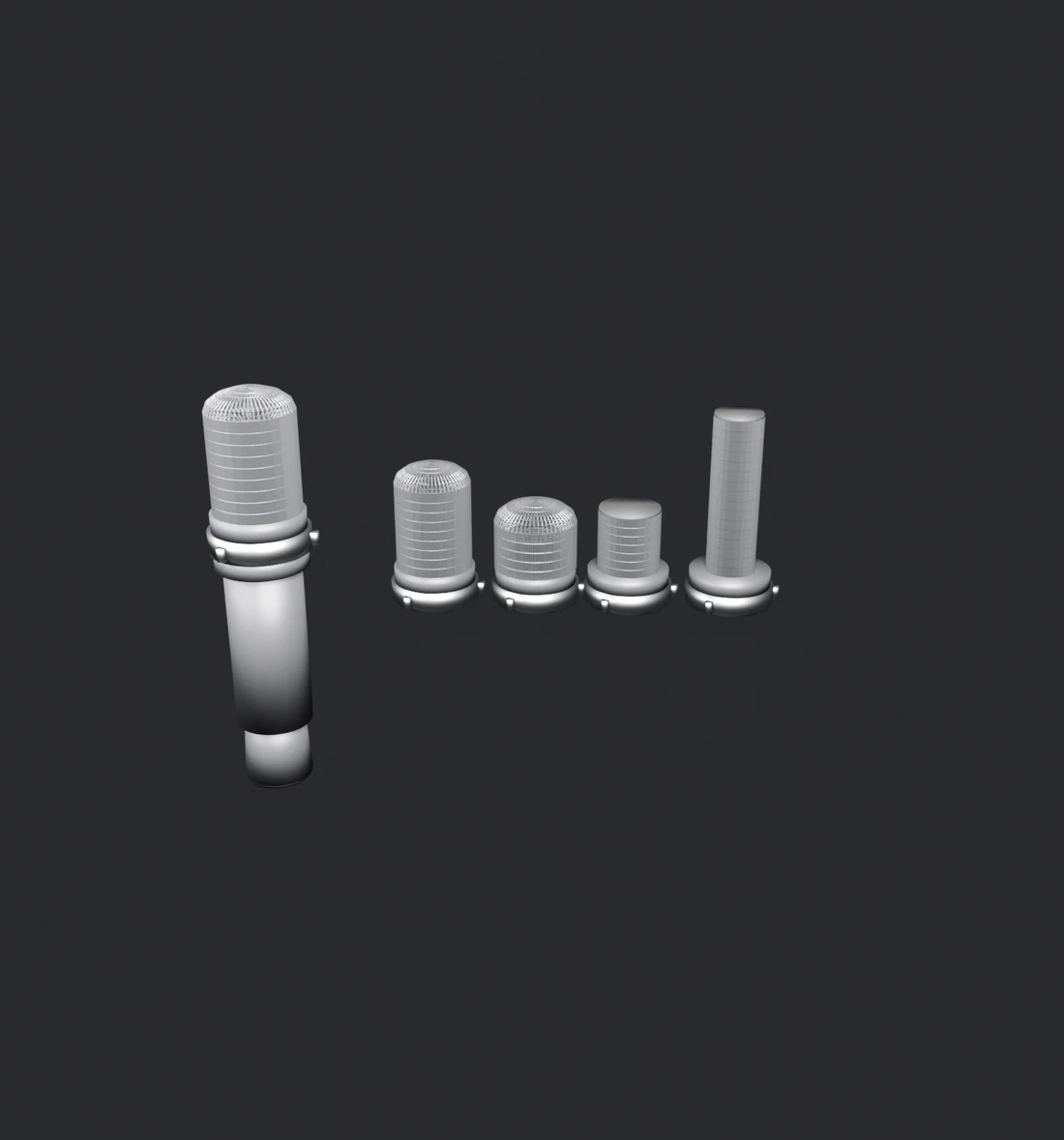
The capsule is most of what you hear
Inside every microphone is a capsule — the thin diaphragm and backplate (or the ribbon, or the moving coil) that actually converts air pressure into an electrical signal. Everything else is housing, electronics and polish. The capsule, together with the circuit right behind it, is responsible for most of a microphone's recognisable character: how open or warm it sounds, how it handles loud sources, how much room it pulls in.
That is why a studio often owns several microphones that look almost identical from across the room. They are not buying different metal tubes — they are buying different capsules for different jobs.
The four voices, and why they usually mean four mics
- FET condenser — open, modern and detailed. The everyday studio-vocal and voiceover workhorse.
- Tube condenser — adds harmonic weight and warmth; flattering on voices that need body.
- Dynamic — rugged, with strong off-axis rejection; the broadcast, stage and loud-source choice.
- Ribbon — smooth, natural top end; prized on rooms, brass and guitar amps.
Traditionally each of those is a separate purchase, a separate stand mount, and a separate thing to pack. For someone who records podcasts and sings and streams, that is three or four mics to justify.
Swappable capsules are not new — just expensive
Interchangeable-capsule microphones already exist, and have for decades. Professional modular systems — Schoeps's Colette series, Neumann's KM 100 bodies with screw-on capsule heads, and DPA's modular ranges — all separate the capsule from the amplifier body so engineers can reconfigure one mic for different work.
The catch is price. Those systems are built for broadcasters, orchestras and film sound, and they are priced accordingly. The modular idea has largely stayed above the people who actually record every day — the podcaster, the home-studio musician, the streamer, the one-person video shop.
Where The Sound Method fits
We are building a modular hot-swap mic for exactly that gap: one machined body, a twist-lock collar with pogo-pin contacts, and capsule modules you can change in seconds — condenser, tube, dynamic, ribbon. Studio behaviour and build, without the studio-brand tax. It is a concept today, built in small batches first. No price is locked and there is no charge to join — the waitlist just tells us whether people want one kit instead of four mics.
Join the waitlist →What to look for in any modular mic
- A real mechanical lock. The capsule-to-body join carries the audio signal; it needs to seat positively and stay put, like a camera lens mount.
- Honest capsule variety. Different transducer types (condenser, dynamic, ribbon) change the sound far more than cosmetic variations on one capsule.
- A sane output path. Whether the signal leaves as balanced XLR or as USB-C changes what you can plug it into — the best modular designs let you choose.
- Serviceability. The point of modular is a long life: a capsule you can replace is a mic you do not throw away.
Frequently asked
- Can you change a microphone capsule?
- On most mics the capsule is sealed inside and fixed. Modular systems are the exception — they are designed around capsule heads that detach from a common body.
- Does swapping the capsule really change the sound?
- Yes — more than almost anything else you can change. The capsule and its front-end circuit define the microphone's core character.
- Is one modular mic as good as buying dedicated mics?
- For most people recording at home or on the move, a good capsule in a good body is the thing that matters — and a modular design gives you several of those without several bodies. Specialists with very specific needs may still prefer dedicated mics.
- Can I buy The Sound Method modular mic now?
- Not yet — it is in development. Join the waitlist and you will hear the moment reservations open. No price is locked and nothing is charged to join.